Kitchen Medicine: Gentle Herbs for Your Upset Stomach
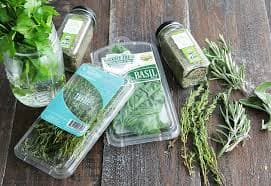
There's something deeply reassuring about walking into your kitchen when your belly feels unsettled, knowing that gentle healing awaits right there in your spice cabinet. No need to venture to specialty shops or wait for online orders — the plants that have been soothing human digestion for thousands of years are likely sitting on your shelves right now.
Yesterday morning, as I reached for my jar of Zingiber officinale (ginger) while nursing my own tender stomach, I was struck by this beautiful truth: our ancestors embedded their medicine directly into their daily sustenance. What we call "cooking spices" were once the herbalist's most trusted allies.
The Wisdom of Warming Herbs
When our digestion feels off-balance — whether from stress, rich foods, or that mysterious stomach upset that seems to arrive uninvited — our bodies often crave warmth and gentle stimulation. The herbs we'll explore today all share this quality of bringing gentle fire to our digestive system, encouraging movement and comfort from within.
Digestive upset rarely happens in isolation. It's often our body's way of processing not just food, but emotions, stress, and life changes. These kitchen allies work on multiple levels, offering both physical relief and energetic support.
Your Grocery Store Apothecary
Ginger: The Golden Root of Comfort
Fresh ginger root, that knobby treasure in the produce section, is perhaps nature's most reliable digestive soother. Zingiber officinale has been warming bellies and settling nausea for over 5,000 years.
For acute nausea or morning sickness: Slice a 1-inch piece of fresh ginger and simmer in 2 cups of water for 10 minutes. Strain and sip slowly. The warmth itself is part of the medicine.
For general digestive sluggishness: Grate fresh ginger over meals, add to smoothies, or simply chew a small piece after eating. Trust your body's response — a little burn on the tongue means the warming action is beginning.
Fennel Seeds: Sweet Medicine for Gentle Souls
Those small, striped seeds in the spice aisle carry ancient wisdom. Foeniculum vulgare has been easing digestive discomfort since Egyptian times, and it's especially gentle for sensitive stomachs and children.
Fennel works by relaxing the smooth muscles of the digestive tract, reducing spasms and encouraging the natural rhythm of digestion. It's what I reach for when anxiety sits heavy in my stomach.
Simple fennel tea: Crush 1 teaspoon of fennel seeds (the back of a spoon works perfectly) and steep in hot water for 10 minutes. The slightly sweet, licorice-like flavor is soothing in itself. Sip mindfully, allowing each mouthful to warm your center.
Peppermint: Cool Relief for Hot Inflammation
While most of our digestive herbs work through warmth, Mentha piperita offers cooling relief. Fresh peppermint leaves in the produce section or dried peppermint tea bags provide immediate comfort for inflamed, irritated digestion.
Peppermint is especially helpful when your stomach feels hot, when you're dealing with food poisoning, or when stress has created burning sensations in your digestive tract.
Fresh peppermint tea: Muddle 6-8 fresh peppermint leaves gently in your cup, then pour hot (not boiling) water over them. Cover and let steep for 5 minutes. The menthol will relax your stomach muscles and cool inflammation.
Chamomile: The Gentle Mother
Those innocent-looking chamomile tea bags hold profound healing power. Matricaria chamomilla offers perhaps the most nurturing energy of all our digestive herbs — simultaneously calming anxiety and soothing physical discomfort.
Chamomile shines when digestive upset stems from emotional stress, when your stomach mirrors the turbulence in your heart. It's the herb I recommend most often for children and highly sensitive adults.
Therapeutic chamomile preparation: Use 2 tea bags or 2 teaspoons of loose chamomile per cup. Steep for 15 minutes, covered. The longer steeping time extracts more of the anti-inflammatory compounds. Drink warm, slowly, perhaps with a touch of honey.
Cinnamon: Sweet Warmth for Sluggish Digestion
Cinnamomum verum (true cinnamon) or Cinnamomum cassia (the more common grocery store variety) both offer warming digestive support. Cinnamon is particularly helpful for those who experience bloating, slow digestion, or that heavy feeling after meals.
Warming digestive tea: Simmer 1 cinnamon stick in 2 cups of water for 15 minutes. The gentle sweetness needs no added sugar, and the warming action begins immediately upon sipping.
Creating Your Healing Ritual
The preparation of these simple remedies is as important as the herbs themselves. This is sacred time — a pause in the urgency of discomfort to offer yourself gentle care.
Set the intention: As you prepare your tea, breathe deeply. Send gratitude to the plant, to your body, to this moment of self-care.
Drink mindfully: Each sip is medicine. Feel the warmth or coolness spreading through your body. Notice how your breathing deepens, how your shoulders relax.
Listen to your body: Which flavor calls to you? Your intuition often knows exactly which plant ally you need.
"The plants are always offering their gifts. We need only slow down enough to receive them."
When to Seek Additional Support
While these gentle kitchen herbs can provide significant relief, trust your instincts about when digestive upset requires professional attention. Persistent symptoms, severe pain, or anything that feels serious in your body deserves proper medical evaluation.
These herbs work beautifully alongside conventional treatment and can be powerful allies in your overall healing journey. They remind us that we have agency in our own care, that healing can be as simple as reaching into our kitchen cabinets with intention and love.
Tonight, perhaps you might explore your spice rack with new eyes. Run your fingers over those familiar jars and packets, knowing that each one holds the wisdom of countless ancestors who turned to these same plants for comfort and healing.
Your stomach deserves this gentleness. Your body deserves this care. And you deserve to know that medicine can be as close as your own kitchen, as simple as boiling water, as profound as the relationship between human and plant that has sustained us through millennia.

Amanda Peaslee
Intuitive Herbalist & Founder