Ghost Pipe: The Mystical Medicine of Forest Shadows
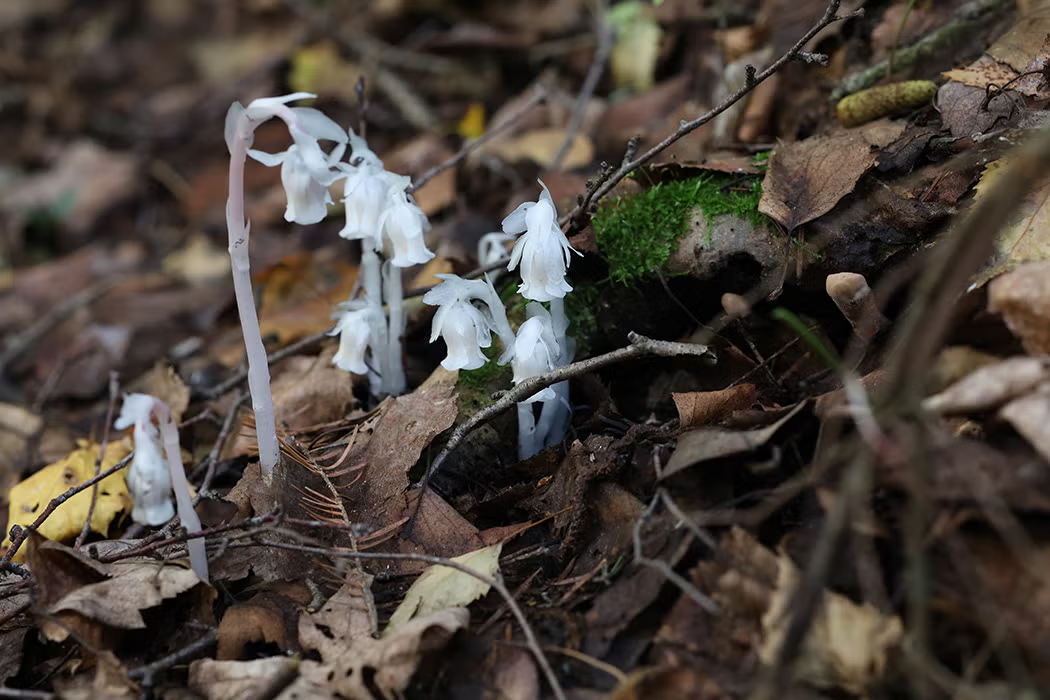
There's something otherworldly about walking through an old growth forest in late summer and stumbling upon a cluster of Monotropa uniflora—Ghost Pipe. Rising from the forest floor like tiny white spirits, these translucent beauties seem to glow with their own inner light, defying everything we think we know about plants.
Unlike their green cousins, Ghost Pipe has no chlorophyll. They don't photosynthesize. Instead, they've formed an ancient partnership with fungi, tapping into the vast underground network that connects forest trees—the same wood wide web that allows forests to communicate and share resources.
The Plant That Teaches About Connection
Ghost Pipe reminds us that not everything in nature follows the rules we expect. This humble plant has learned to thrive by receiving rather than producing, by connecting rather than competing. In a world obsessed with individual achievement, Ghost Pipe whispers ancient wisdom about interdependence and the power of community.
I remember the first time I encountered Ghost Pipe in the pine forests near my home. I was going through a particularly difficult period, feeling disconnected and overwhelmed. As I knelt beside these ethereal beings, their translucent stems seeming to pulse with quiet energy, I felt an immediate sense of grounding and peace.
Traditional Uses and Energetic Properties
Indigenous peoples of North America have long recognized Ghost Pipe as a powerful nervous system ally. Traditional herbalists called it Indian Pipe and used it for:
• Nervous exhaustion and overstimulation
• Epilepsy and seizure disorders
• Anxiety and panic attacks
• Emotional overwhelm and trauma
• Insomnia and restless sleep patterns
From an energetic perspective, Ghost Pipe works as a spiritual sedative—not dulling our senses, but rather helping us find the quiet space between thoughts where true healing can occur. It's particularly powerful for those who are highly sensitive or empathic, offering protection and grounding when the world feels too intense.
How Ghost Pipe Heals
Ghost Pipe's medicine works on multiple levels. Physically, it acts as a nervine and antispasmodic, helping to calm an overactive nervous system. But its true gift lies in its ability to help us disconnect from external chaos and reconnect with our inner wisdom.
This plant ally is especially helpful for:
The Highly Sensitive
If you're someone who absorbs the emotions and energy of others, Ghost Pipe offers a gentle boundary. It helps create energetic sovereignty while maintaining your natural empathy and intuition.
Those Experiencing Spiritual Emergency
Sometimes spiritual growth comes with intense experiences that can feel overwhelming. Ghost Pipe provides grounding support during these transformational periods, helping you integrate new awareness without losing your center.
Trauma Healing
Ghost Pipe's gentle nature makes it valuable for trauma work, particularly when the nervous system is stuck in hypervigilance or freeze patterns. It doesn't force healing but creates space for natural recovery.
Working with Ghost Pipe Medicine
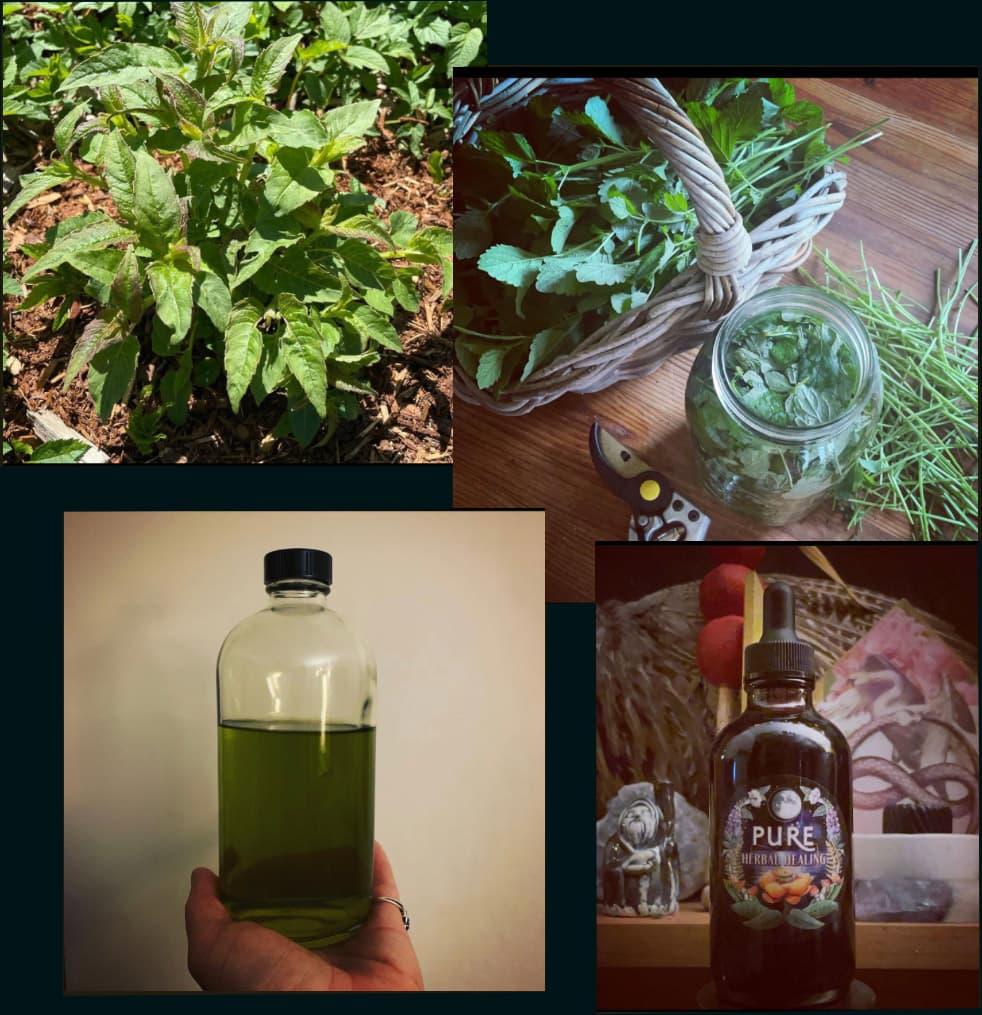
Ghost Pipe is typically prepared as a fresh plant tincture, captured when the plant is still translucent and vital. The timing is crucial—once Ghost Pipe begins to turn black, its medicine becomes less potent.
Dosage and Preparation
Ghost Pipe requires respect and restraint. A typical dose is just 2-5 drops of tincture, taken as needed. This isn't a plant you use casually or in large amounts. Its medicine is subtle but profound, working on the energetic level as much as the physical.
"Ghost Pipe teaches us that the most powerful medicines often work through presence rather than force, through connection rather than dominance."
A Simple Ghost Pipe Ritual
When working with Ghost Pipe tincture, try this grounding ritual:
• Find a quiet space where you won't be disturbed
• Place 2-3 drops under your tongue
• Close your eyes and take three deep breaths
• Visualize roots growing from your body into the earth
• Ask Ghost Pipe to help you find your center
• Sit in quiet contemplation for 10-15 minutes
Ethical Wildcrafting Considerations
Ghost Pipe populations are declining in many areas due to habitat loss and over-harvesting. If you're called to work with this plant, please consider these ethical guidelines:
• Never harvest more than 10% of any Ghost Pipe colony
• Only harvest if there are at least 20 plants in the area
• Leave the largest and smallest plants untouched
• Consider purchasing from ethical wildcrafters instead
• Always ask permission from the plants and the land
Ghost Pipe grows slowly and depends on complex forest ecosystems. Protecting its habitat protects the medicine for future generations.
The Deeper Teaching
Ghost Pipe's greatest lesson isn't just about nervous system support—it's about reimagining our relationship with receiving. In our culture of constant doing and achieving, this translucent teacher reminds us that there's profound power in being open to support.
Just as Ghost Pipe thrives by connecting to the fungal networks beneath the forest floor, we too can heal by recognizing our interconnectedness with all life. Sometimes the medicine we need isn't something we produce through our own effort, but something we receive through sacred relationship.
The next time you feel overwhelmed by the intensity of modern life, remember Ghost Pipe's teaching. Find your own version of the quiet forest floor. Connect with the supportive networks in your life. Allow yourself to receive the medicine that surrounds you—whether it's the love of friends, the wisdom of elders, or the healing presence of plants.
In the shadow of the great trees, Ghost Pipe continues its ancient work of transformation, reminding us that even in darkness, there is light. Even in silence, there is profound communication. Even in receiving, there is sacred power.

Amanda Peaslee
Intuitive Herbalist & Founder